

7 Best Cruelty Free Foundations for 2026
Last Updated: November 12, 2026
Quick Summary
The best cruelty free foundation for 2026 depends on your skin and finish, but our top pick for mature skin is the Clean Skin Serum Foundation SPF 30+ at $36.00, a vegan cruelty free foundation with buildable light-to-medium coverage. For a dewy look choose the Hydra Boost CC Cream, and for full coverage the Air Brush Finish Foundation Stick.
- Cruelty free means no animal testing; vegan means no animal-derived ingredients, so check both claims.
- Look for Leaping Bunny or PETA-approved logos, which require a supplier-level audit rather than a single product declaration.
- The Clean Skin Serum Foundation offers 8+ hours of wear and suits mature, dry or sensitive skin.
- The Air Brush Finish Foundation Stick gives 12+ hour wear but lists no SPF, so pair it with sunscreen.
- The Timeless Bundle at $157.00 pairs the serum foundation with blush, bronzer, highlighter and a blending brush.
Table of Contents
- What Makes a Foundation Truly Cruelty Free
- The 7 Best Cruelty Free Foundations for 2026 Compared
- 1. Clean Skin Serum Foundation SPF 30+: Best for Mature Skin
- 2. Hydra Boost CC Cream: Best for a Dewy Complexion
- 3. Air Brush Finish Foundation Stick: Best for Full Coverage
- How to Choose Foundation for Mature Skin
- Personal Shade Matching Services: Getting the Right Undertone
- Is Vegan Makeup Worth It? Weighing Cost Against Formula
- Choosing Your Cruelty Free Foundation Routine
- Frequently Asked Questions
What Makes a Foundation Truly Cruelty Free
A cruelty free foundation is one where neither the finished product nor its ingredients have been tested on animals at any stage of development. That sounds simple. In practice, the label can hide more than it reveals, which is why shoppers should look past the front of the box.
The cruelty free foundation claim sits at the centre of a much bigger conversation about clean beauty and ethical sourcing. Brands can be certified, self-declared, or simply quiet about their testing policy. Only one of those three tells you anything useful.
Vegan vs Cruelty Free: The Difference That Matters
Vegan and cruelty free are not the same claim, and confusing them is the most common mistake we see.
- Cruelty free means no animal testing at any point in the supply chain.
- Vegan means no animal-derived ingredients, such as carmine, beeswax or lanolin.
- A product can be vegan and still tested on animals. A product can be cruelty free and still contain animal by-products.
For a foundation, check both. A formula can be free from animal testing yet include tallow-derived ingredients, and a plant-based formula can come from a brand with no testing policy at all.
How to Check if a Brand Is Genuinely Cruelty Free
Start with the certification, not the marketing copy. A recognised logo such as Leaping Bunny or PETA-approved means an independent body has audited the supplier chain, not just the finished product.
Then check the fine print:
- Search the brand's site for a dated animal testing policy, not just a slogan.
- Look at whether the brand sells in markets that require animal testing by law, and how it handles that.
- Check whether the certification covers the brand's ingredient suppliers or only its own facility.
- Email the brand a direct question. Vague answers are an answer.
According to Leaping Bunny Programme standards, certification requires a supplier-level audit rather than a single product declaration, which is why the logo carries more weight than a self-written promise.
Sustainability beyond cruelty free: the gap most guides miss
Cruelty free and zero-waste are different claims, and conflating them is a common source of confusion for eco-conscious shoppers. A formula can be certified cruelty free while arriving in non-recyclable packaging, and a refillable compact can contain a formula from a brand with no animal testing policy at all.
When you are comparing foundations, separate the two questions:
- Ethics of testing: is the brand certified cruelty free, and does that certification cover suppliers?
- Environmental footprint: is the packaging refillable, recyclable or compostable, and does the brand offer a refill programme?
A practical approach is to prioritise certification first, then use packaging and refill options as a tie-breaker between formulas that perform equally well. Watch out: some brands market 'clean' or 'natural' as a proxy for cruelty free, those terms are not regulated in the same way, so always look for the certification logo rather than the adjective.
The 7 Best Cruelty Free Foundations for 2026 Compared
Our shortlist covers three formulas we know intimately, each built for a different finish and skin need. Here is how they line up before we go into detail.
| Product | Finish | Coverage | Best For | SPF | Price |
|---|---|---|---|---|---|
| Clean Skin Serum Foundation SPF 30+ | Dewy, radiant | Light to medium, buildable | Mature and dry skin | SPF 30+ | $36.00 |
| Hydra Boost CC Cream | Radiant, luminous | Medium to full, buildable | Dull or dehydrated skin | SPF 50 | $69.00 |
| Air Brush Finish Foundation Stick | Satin, airbrushed | Medium to full | Full coverage days | None listed | $62.00 |
Price
All three are vegan, free from parabens and sulphates, and formulated for skin that has lived a little.
1. Clean Skin Serum Foundation SPF 30+: Best for Mature Skin
This is our top pick for mature skin, and the reason is texture. The serum-light formula moves with the face instead of sitting on top of it, so it does not gather in expression lines by mid-afternoon.
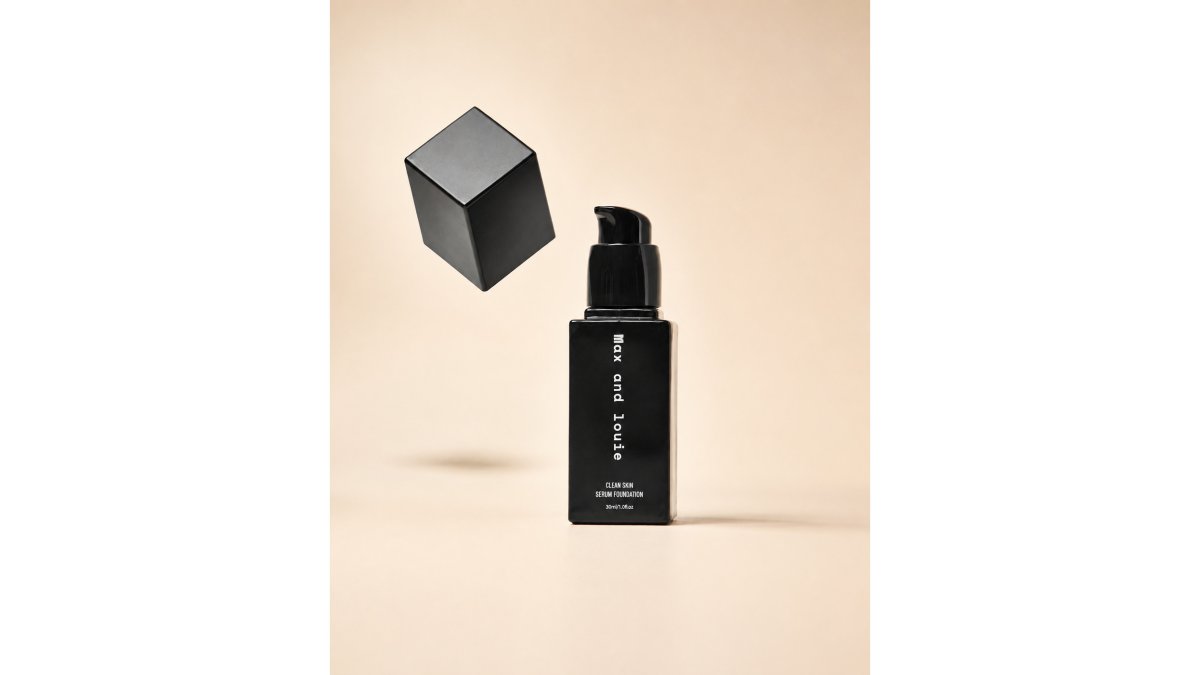
Niacinamide, hyaluronic acid, squalane and macadamia seed oil are among its key ingredients. Coverage is buildable from light to medium, and it includes SPF 30+.
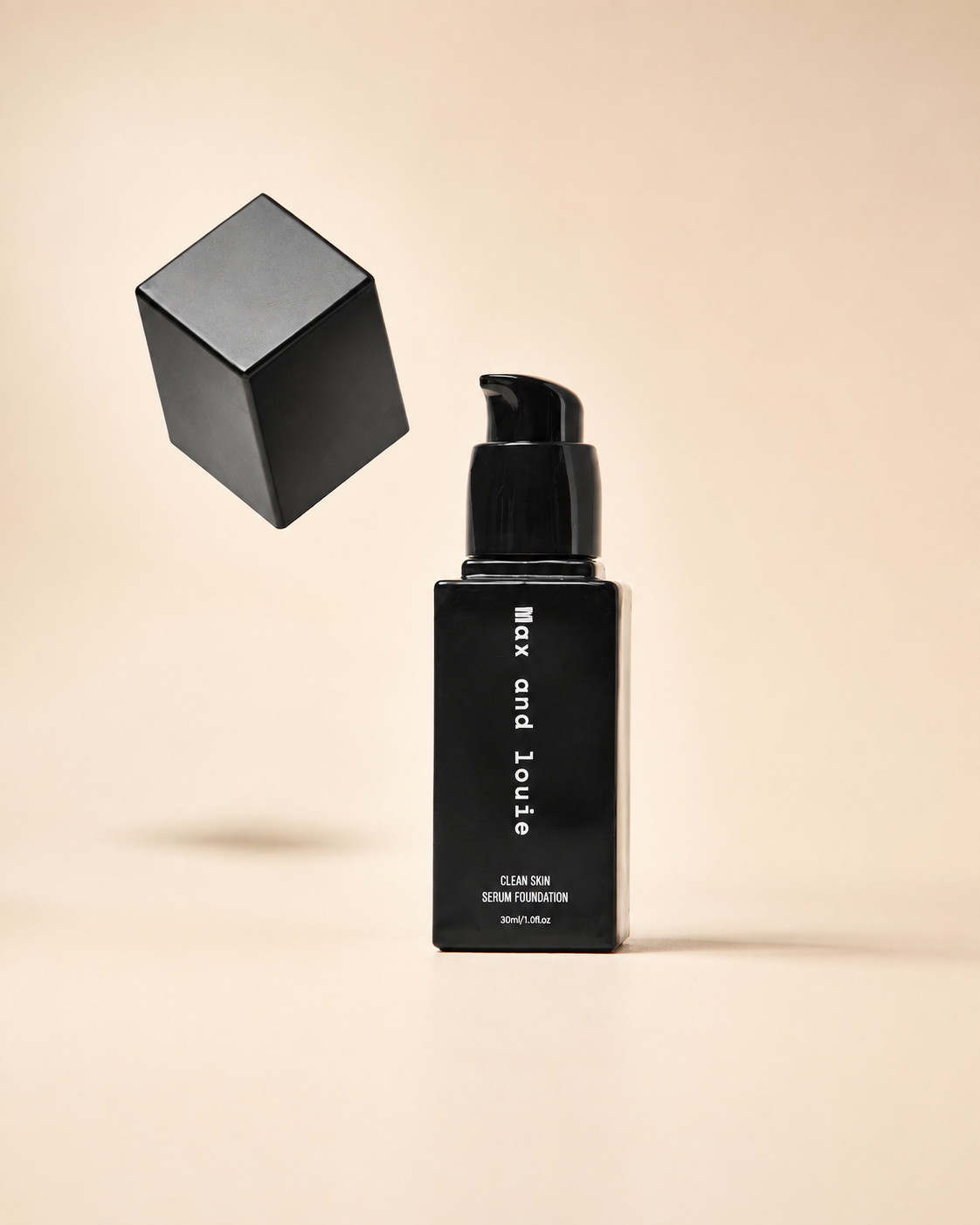
Pros:
- Non-comedogenic and suitable for sensitive skin
- Dewy finish that reads as skin, not makeup
- Long-lasting wear of 8+ hours
Cons:
- Light-to-medium coverage may not suit those wanting full coverage
Best for: mature, dry or sensitive skin that wants a natural glow. Skip if: you need full coverage for a long event day.
You can shop the Clean Skin Serum Foundation SPF 30+ in your shade.
2. Hydra Boost CC Cream: Best for a Dewy Complexion
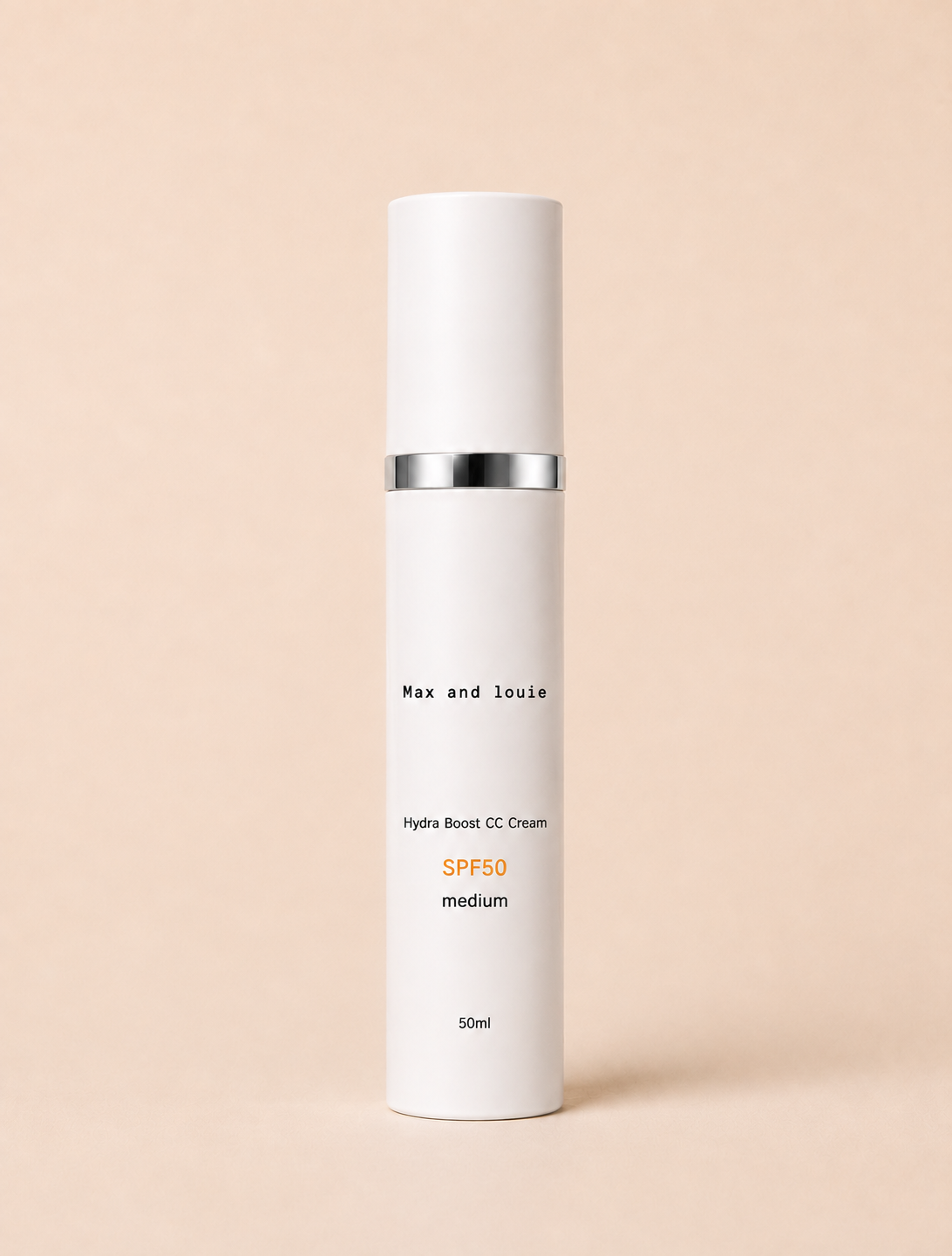
This cream is designed to give a radiant, dewy finish.
The formula includes zinc oxide, titanium dioxide, sodium hyaluronate, aloe and cucumber extract among its key ingredients. Coverage is buildable from medium to full, and it offers SPF 50. For best protection, apply a separate sunscreen first.
Pros:
- Buildable medium-to-full coverage with a luminous finish
- Skincare ingredients including niacinamide and jojoba esters
- SPF 50 sun protection
Cons:
- The radiant finish can look too glowy on very oily skin
- Higher price point than the serum foundation
Best for: dry, dull or dehydrated skin wanting a fresh, healthy glow. Skip if: you prefer a matte finish.
The Hydra Boost CC Cream product page has the full shade guide.
3. Air Brush Finish Foundation Stick: Best for Full Coverage
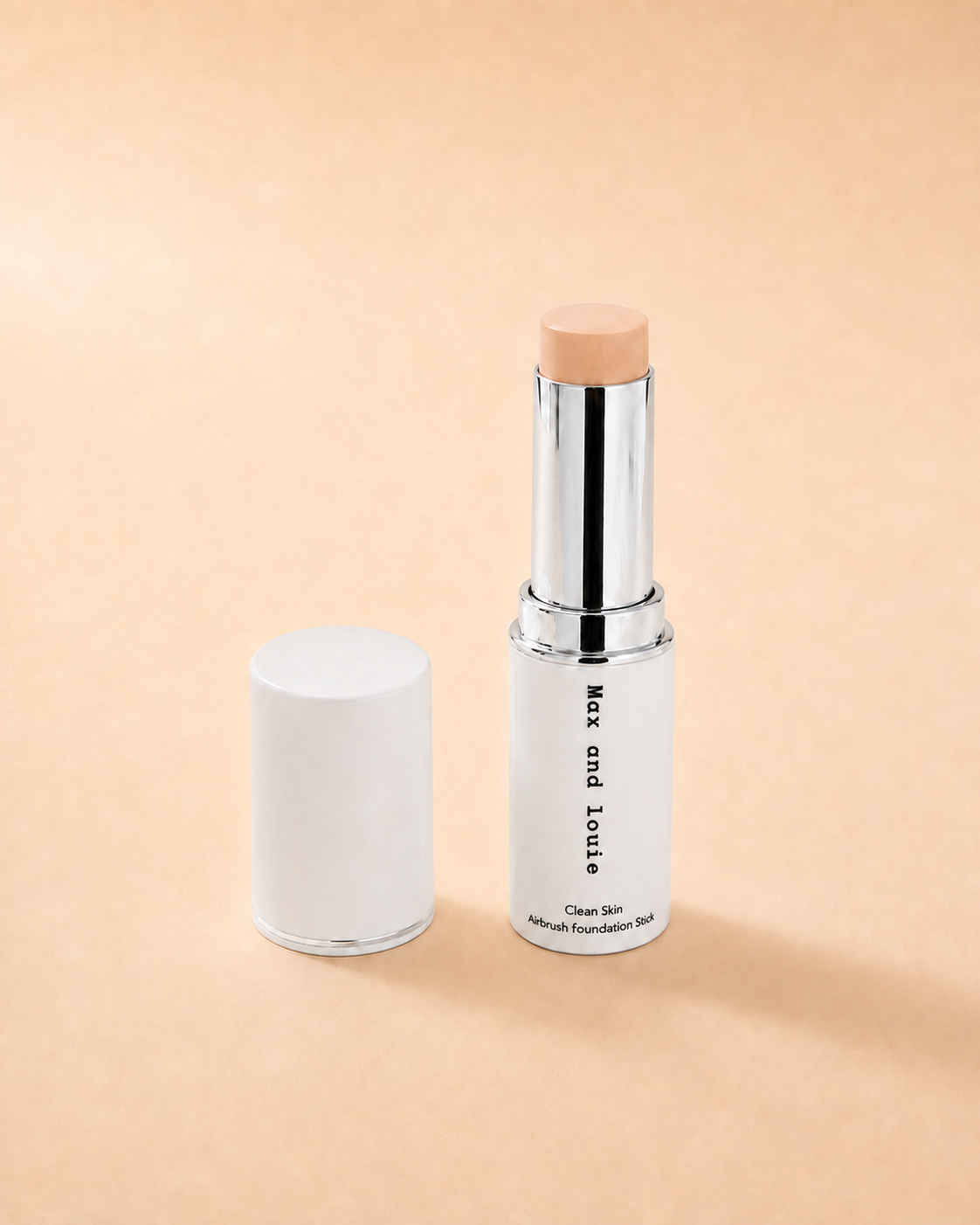
The creamy formula glides on and gives a satin, airbrushed finish with medium-to-full coverage.
The formula includes kaolin and silica, and it offers 12+ hour wear. It is fragrance-free and suitable for all skin types, and it is a good pick for long days and special occasions.
Pros:
- Medium-to-full coverage with a satin finish
- 12+ hour wear and fragrance-free
- Suitable for all skin types
Cons:
- No SPF listed, so pair it with sunscreen
Best for: full coverage days and combination or oily skin. Skip if: you want a sheer, barely-there base.
Check shades and buy the Air Brush Finish Foundation Stick directly.
How to Choose Foundation for Mature Skin
Choosing foundation for mature skin comes down to four things: finish, texture, how the formula behaves over a full day, and how it performs in the climate you actually live in. Skin tends to lose moisture over time, so a hydrating, flexible base often suits mature skin well. Climate also matters, since a formula that performs well in one season can behave differently in another.
Match the formula to your climate, not just your skin type
Dewy, oil-rich foundations can feel different in warm, humid air than in cool, dry conditions, so it can help to consider your environment when choosing a base.
Read the ingredient list for safety and barrier support
Ingredient lists matter for shoppers with sensitive skin. Scan for known irritants, consider fragrance if your skin is reactive, and patch-test anything new.
- Does the formula list hydrating ingredients such as hyaluronic acid, squalane or glycerin?
- Is the finish dewy or satin rather than flat matte?
- Does it offer buildable coverage so you control placement?
- Is it free from synthetic fragrance if your skin is reactive?
- Does it sit well next to your blush and bronzer, or does it pill?
- Can you test the shade in natural light?
A common mistake is choosing a shade that matches the centre of the face rather than the jaw and neck. Hydrate first, then apply thin layers and build only where you need it.
Personal Shade Matching Services: Getting the Right Undertone
Shade matching online is the part most shoppers worry about, and rightly so. Undertone matters more than depth. A foundation that is the right lightness but the wrong undertone will look grey or orange no matter how well it blends.
Personal shade matching is a service where a trained consultant reviews a photo of your skin in natural light and recommends a shade. It removes most of the guesswork from buying base makeup online.
Founder Nat offers a personal shade match service. Upload a selfie in natural light and the team will match you to a shade in the range.
Three tips to get a good match:
- Take the photo in indirect daylight, never under warm indoor bulbs.
- Remove makeup and tie your hair back.
- Include your neck and jawline in the frame.
Is Vegan Makeup Worth It? Weighing Cost Against Formula
Vegan makeup is worth it when the formula performs. Paying more for an ethical label alone is not a good deal, but paying the same or less for a better formula is.
The honest answer is that vegan certification adds cost to a supply chain. Ingredient sourcing, supplier audits and certification fees all land in the retail price. Whether that is worth it depends on what you are comparing.
Three questions to ask before you spend:
- Does the formula do something your current one does not? Look for hydration, a better finish, or longer wear.
- Is the price per use reasonable? A $36 serum foundation worn daily often costs less per wear than a cheaper product you dislike and abandon.
- Is the ethics claim verified? A certified vegan and cruelty free formula is worth more than a self-declared one.
Many vegan formulas now offer creamy textures and buildable coverage. Check the available shades before you commit.
Choosing Your Cruelty Free Foundation Routine
Building a routine around a cruelty free foundation is easier when the products are designed to sit next to each other. Cream formulas are designed to sit next to each other for easy blending.
Two ready-made options remove the guesswork:
- The Timeless Bundle ($157.00) pairs the Clean Skin Serum Foundation with blush, bronzer, highlighter and the Multi-Task Blending Brush in a Face Case.
- The Airbrush Stick Bundle ($199.00) centres on the foundation stick, adding primer, blush, bronzer and the double-ended brush.
If you already know you want the serum base, the Timeless Bundle is the simplest route. If full coverage is the priority, the Airbrush Stick Bundle builds the routine around the stick.
Start with one base that suits your skin, add a cream blush and bronzer, and keep the brush clean. That is the whole routine. Everything else is optional.
The hardest part of going cruelty free is not finding a formula. It is finding one that still looks like your skin at four in the afternoon. At Max and Louie, we formulate vegan makeup for skin that has lived a little, with creamy textures that blend rather than sit, a personal shade match from founder Nat, and bundles that put a full routine in one bag. Get started with Max and Louie and build a base that moves with you.
Frequently Asked Questions
How can I tell if a foundation brand is truly cruelty free?
Look for third-party certification such as Leaping Bunny or PETA-approved logos on the packaging or brand website, as these require independent audits of the supply chain. A brand that simply states 'cruelty free' without certification may still sell in markets that require animal testing by law. Check whether the parent company tests, not just the brand name. Max and Louie is a vegan makeup range.
What is the difference between vegan and cruelty free makeup?
Cruelty free means no animal testing occurred at any stage of production. Vegan goes further and means the formula contains no animal-derived ingredients such as beeswax, carmine, lanolin or tallow. A product can be cruelty free but still contain animal by-products. For a foundation, check both labels. Vegan formulas avoid animal-derived ingredients, and many use skin-loving ingredients such as niacinamide and hyaluronic acid.
Are there high-quality cruelty free foundations for mature skin?
Yes. The key is choosing a lightweight, hydrating formula that will not settle into fine lines. Look for serum or cream textures with ingredients like squalane, hyaluronic acid and niacinamide, and avoid heavy matte powders that emphasise texture. A buildable light-to-medium coverage with a dewy finish works best. The Clean Skin Serum Foundation SPF 30+ at $36.00 is designed for mature skin and includes SPF 30+ broad-spectrum protection.
How do I find my perfect foundation shade online?
Start by identifying your undertone, which is either cool, warm or neutral. Check the veins on your inner wrist in natural light: blue suggests cool, green suggests warm, and a mix suggests neutral. Then use a personal shade matching service where you upload a selfie in natural daylight and a team member matches you. This removes much of the guesswork of ordering online.
