

How to Find the Best Foundation Shade for Mature Skin
Last Updated: November 24, 2026
Quick Summary
Choose a foundation shade for mature skin by matching depth first, then undertone, then finish, in that order. Test three shades on your jawline, wait fifteen minutes, and check in daylight against your neck. Hydrating formulas hold colour more evenly on drier skin than matte ones.
- Undertone stays roughly constant even as your surface tone shifts with age.
- Match to the neck and chest rather than averaging the difference with your face.
- A shade that looks perfect wet can oxidise half a shade darker within an hour.
- Check wear at the two-hour and six-hour marks in daylight before committing.
- Read the returns policy for opened cosmetics before ordering foundation online.
Table of Contents
- Why Foundation Shade Matching Changes After 40
- How to Choose Foundation Shade for Mature Skin
- Foundation Undertone Matching: Cool, Warm and Neutral
- How to Test Foundation Shades Before You Commit
- Using a Foundation Shade Finder When You Shop Online
- Book a Personal Shade Match with Nat
- Frequently Asked Questions
Why Foundation Shade Matching Changes After 40
Finding the best foundation shade matching for mature skin starts with accepting a hard truth: the shade that worked at 35 often stops working at 50.
Skin changes with age in ways that directly affect colour. Cell turnover slows, moisture levels drop, and sun exposure accumulates over decades. Our guide to foundation for mature skin explains how formula choice affects the result.
How Age-Related Changes Affect Your Match
Three changes matter most. First, natural oil production declines, so dry patches scatter light unevenly and make a shade look lighter than it is. Second, sun damage builds up pigment in some areas and thins it in others, creating uneven tone that a single flat shade cannot cover. Third, fine lines and texture change how pigment sits on the surface.
The practical consequence: a foundation shade must be judged on hydrated, settled skin, not on bare dry skin in a shop mirror.

How to Choose Foundation Shade for Mature Skin
Choose a foundation shade for mature skin by matching depth first, then undertone, then finish, in that order. Most people do it backwards, falling in love with a finish before checking whether the depth is right.
Depth is how light or dark the shade is. Undertone is the underlying warmth or coolness. Finish is how dewy or matte the formula looks once set. Get depth wrong and no finish will save it.
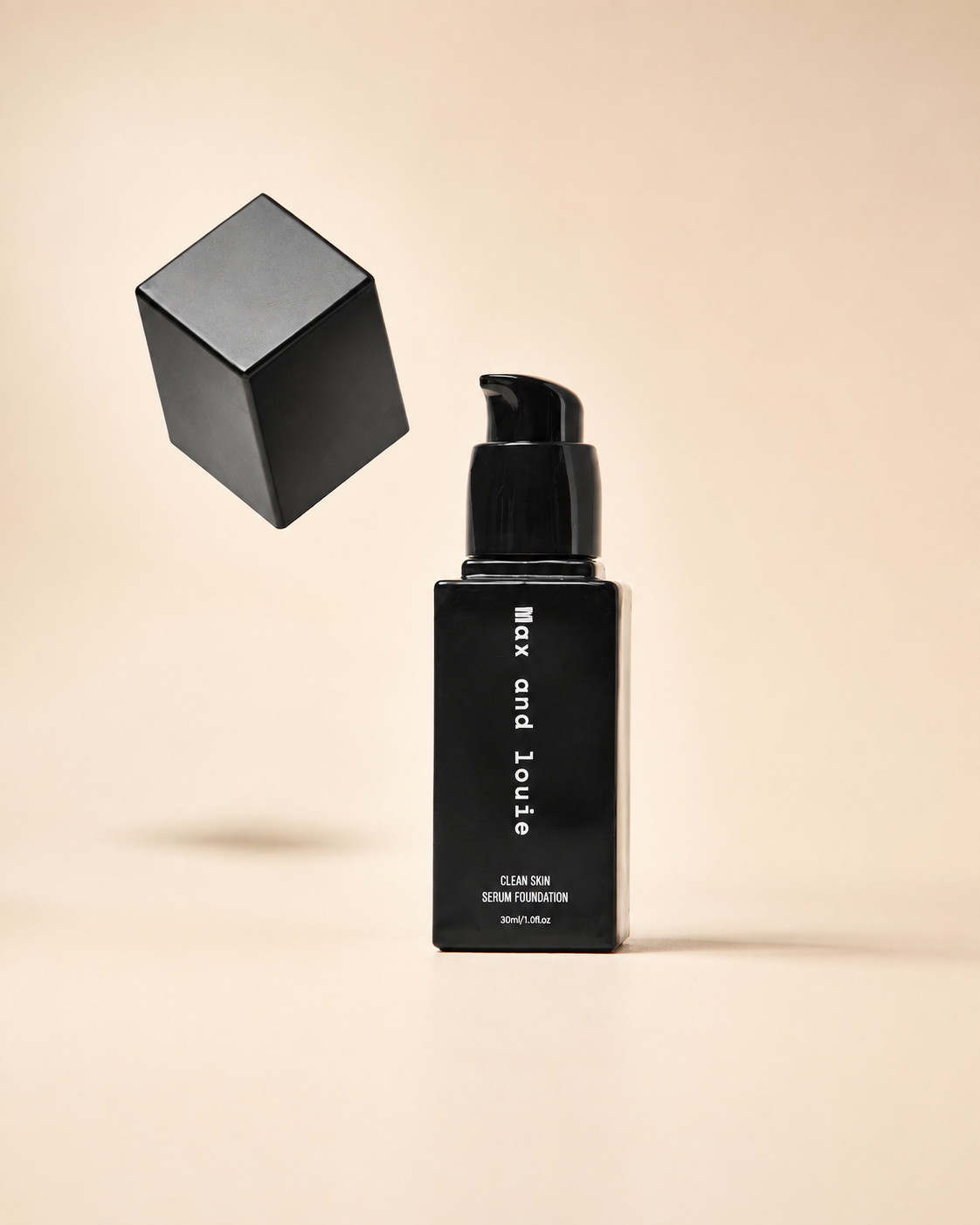
Formula matters as much as colour. Our Air Brush Finish Foundation Sticks come in eight shades with a satin finish, while the Clean Skin Serum Foundation SPF 30+ offers buildable light-to-medium coverage in three shades for a dewier result.
| Formula | Coverage | Finish | Best For |
|---|---|---|---|
| Clean Skin Serum Foundation SPF 30+ | Light to medium, buildable | Dewy, radiant | Dry or dehydrated skin, everyday wear |
| Air Brush Finish Foundation Sticks | Medium to full | Smooth satin | Longer days, more coverage |
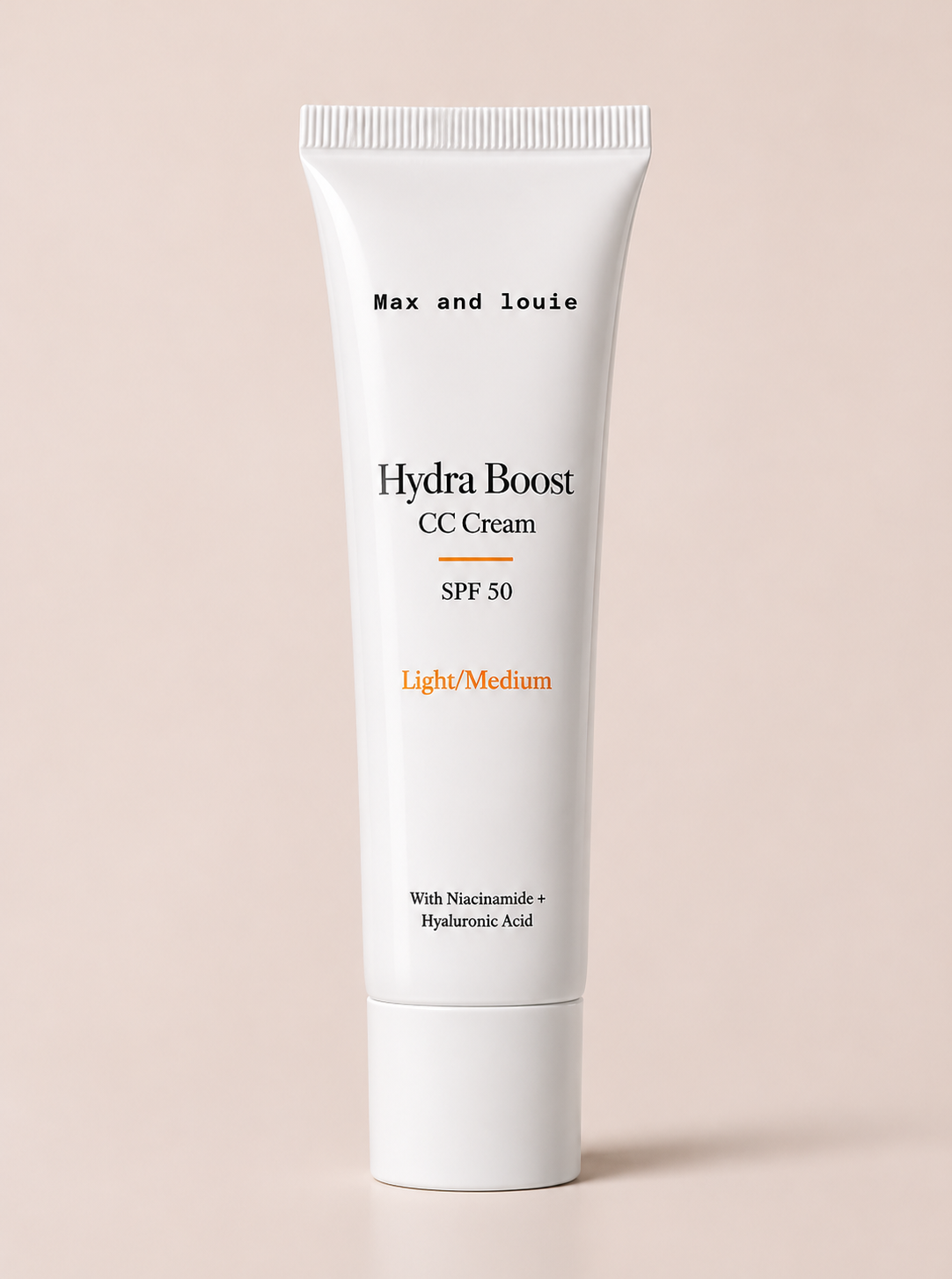
| Hydra Boost CC Cream | Medium to full | Radiant | Skincare and makeup in one step |
Foundation Undertone Matching: Cool, Warm and Neutral
Undertone matching is the step most people skip, and it is the reason a technically correct shade can still look wrong. Undertone is the colour beneath your skin's surface, and it stays roughly constant even as your surface tone shifts with age.
- Cool undertone: pink, red or bluish hints. Silver jewellery tends to suit you.
- Warm undertone: golden, yellow or peach hints. Gold jewellery tends to suit you.
- Neutral undertone: a balance of both, with no strong cast either way.
Check in daylight, not bathroom light. For a deeper walkthrough, our makeup undertone matching guide covers how to read your skin and choose complexion colour with confidence.
Matching Face, Neck and Chest When Tones Differ
Faces are often a shade or two darker or pinker than necks and chests, especially after years of sun exposure. Do not average the difference. Match to the neck and chest, because that is what people see beside your face.
If the gap is large, apply foundation lightly down the neck and use a slightly warmer shade than your face alone would suggest. The goal is a continuous line of colour from jaw to collarbone.
How to Test Foundation Shades Before You Commit
Test foundation shades by swiping three candidates side by side on your jawline, letting them settle for at least fifteen minutes, and checking them in daylight. That is the whole method. Everything else is detail.
Here is how we would do it, step by step:
- Prep your skin properly. Cleanse and moisturise, then wait ten minutes. Testing on dry skin gives a false reading.
- Choose three shades. One you think is right, one lighter, one darker. Never test a single shade in isolation.
- Swatch on the jawline. Draw three short stripes from cheek down to neck. Leave a gap between each.
- Wait fifteen minutes. This is not optional. Foundation shifts colour as it warms and dries.
- Check in daylight. Step to a window. Indoor lighting lies about undertone.
- Compare against your neck. The correct shade disappears into the neckline.
If you are testing a serum formula, our serum foundation tips for mature skin explain how to prep and apply so the test reflects real wear.
Oxidation and Wear-Time Testing
Oxidation is the colour shift a foundation undergoes as it reacts with air and your skin's natural oils. A shade that looks perfect wet can turn half a shade darker or more orange within an hour.
Wear-time testing catches this. Apply your candidate, then check it at the two-hour and six-hour marks in daylight. If it has shifted noticeably, go one shade lighter in that formula.
Using a Foundation Shade Finder When You Shop Online
Online shade finders work best when you feed them the right information: a photo in natural light, your undertone, and how your skin behaves by midday.
Take your selfie facing a window, no makeup, hair pulled back. Avoid ring lights and bathroom mirrors. Then read the result as a starting point, not a verdict, and confirm with a swatch test once the product arrives.
A Reliable Online Matching Workflow
- Find a reference shade you already trust. If you have a foundation that matches well, note its brand, shade name and undertone description. Reference shades are the most useful input a shade finder can receive.
- Photograph in consistent light. Same window, same time of day, no makeup. Take two photos, one straight on and one at a slight angle, so the tool can read both the centre of the face and the jawline.
- Enter your undertone honestly. If you are unsure, use the jewellery and vein checks from the undertone section above rather than guessing.
- Read the result as a range, not a single answer. Most tools return a closest match and one or two alternatives. Order the closest match and, if the brand allows, a sample of the alternative.
- Confirm on arrival. Run the fifteen-minute swatch test and the two-hour and six-hour wear checks before committing to a full-size repurchase.
The Limits of Screens and Virtual Matching
Screens vary in colour calibration, and a phone camera adjusts white balance in ways that can make a warm undertone look neutral or a neutral look cool. Virtual try-on tools are useful for comparing depth, but they are less reliable for undertone, which is exactly the variable that matters most on mature skin. Watch out: a shade that looks perfect in a virtual try-on can still oxidise on your skin within two hours, so never skip the physical wear test.
Check the Return Policy Before You Order
Before ordering online, read the returns policy for opened cosmetics. Many retailers will not accept opened foundation, which makes a sample or a personal match the lower-risk route. If a brand offers a shade-match guarantee or a sample programme, use it.
When you are ready to shop, the Clean Skin Serum Foundation SPF 30+ page lists all three shades alongside the full ingredient list, so you can check the formula against your skin type before ordering. If you would rather not guess at all, a personal shade match with Nat removes the screen variable entirely.
Book a Personal Shade Match with Nat
The most reliable route is a personal shade match with someone who does it often. Our founder Nat offers a personal shade match service, which takes the guesswork out of ordering online.
Matching a foundation shade on mature skin is not complicated, but it is unforgiving of shortcuts. Depth, undertone and formula all have to line up, and they have to be tested on settled, hydrated skin in daylight.
Frequently Asked Questions
How do you find the right foundation shade for mature skin?
Start with undertone, then depth. Strip a small stripe of foundation down your jaw and let it sit for 20 minutes so you see the true colour after it settles. Check it in daylight, not bathroom lighting, and compare against your neck and chest rather than your hand. If your face is pinker than your neck, match the neck. Max and Louie's Clean Skin Serum Foundation SPF 30+ ($36.00) comes in buildable light-to-medium coverage, so a slightly off shade is easier to adjust than a full-coverage formula.
Where should you test foundation to find your best shade?
Test on the jawline and upper neck, not the back of your hand. Hand skin is usually a different depth and undertone to your face, which is why a hand swatch so often looks wrong once it's on. Apply two or three candidate shades in parallel stripes along the jaw, blend the edges, and step into natural light. The stripe that disappears into your neck is your match. For mature skin, also watch how each stripe sits in the lines around your mouth after ten minutes.
How can you tell whether your foundation shade is too warm or too cool?
Look at the boundary where the foundation meets bare skin. A shade that is too warm (golden or peach) reads orange or yellow against the neck. One that is too cool (pink or rosy) reads grey or ashy. Neutral undertones sit between the two and are the safest starting point if you genuinely can't tell. If your veins look blue-green rather than clearly blue or clearly green, neutral is usually the better fit, and a personal shade match can confirm it before you buy.
How can you stop foundation from settling into fine lines?
Hydration and thin layers do most of the work. Apply a hydrating primer such as Prime Perfection ($49.00), which is designed to soften the appearance of fine lines, then press foundation in with a damp brush rather than sweeping it on. Use less product around the mouth and eyes, where lines are deepest.
