

Cream Bronzer Stick: How to Choose the Right One
Last Updated: November 17, 2026
Quick Summary
To choose a cream bronzer stick, first work out your skin depth and undertone, then pick a shade one or two shades darker than your natural skin tone with a warm or neutral undertone. Then choose a finish that suits your skin type, with dewy or satin options for dry or mature skin and matte for oily skin.
- Choose a shade one step deeper than your jaw colour, with a warm or neutral undertone.
- Check your undertone by looking at the veins on your wrist: blue is cool, green is warm, mixed is neutral.
- Dewy or satin finishes suit dry and mature skin, while matte lasts longer on oily skin.
- Moisturise first and let the layer settle, since cream bronzer over dry skin can look patchy.
- Swatch on the side of your jaw in daylight, and upload a selfie to Max and Louie for a personal shade match.
Table of Contents
- What a Cream Bronzer Stick Does and Who It Suits
- Cream vs Powder Bronzer: Which Works Better for You
- How to Choose a Bronzer Shade for Your Skin Depth and Undertone
- Picking the Right Formula for Mature Skin and Your Finish
- How to Apply Your Cream Bronzer Stick Without Patchiness
- Booking Your Shade Match and Choosing Your Bronzer
- Frequently Asked Questions
What a Cream Bronzer Stick Does and Who It Suits
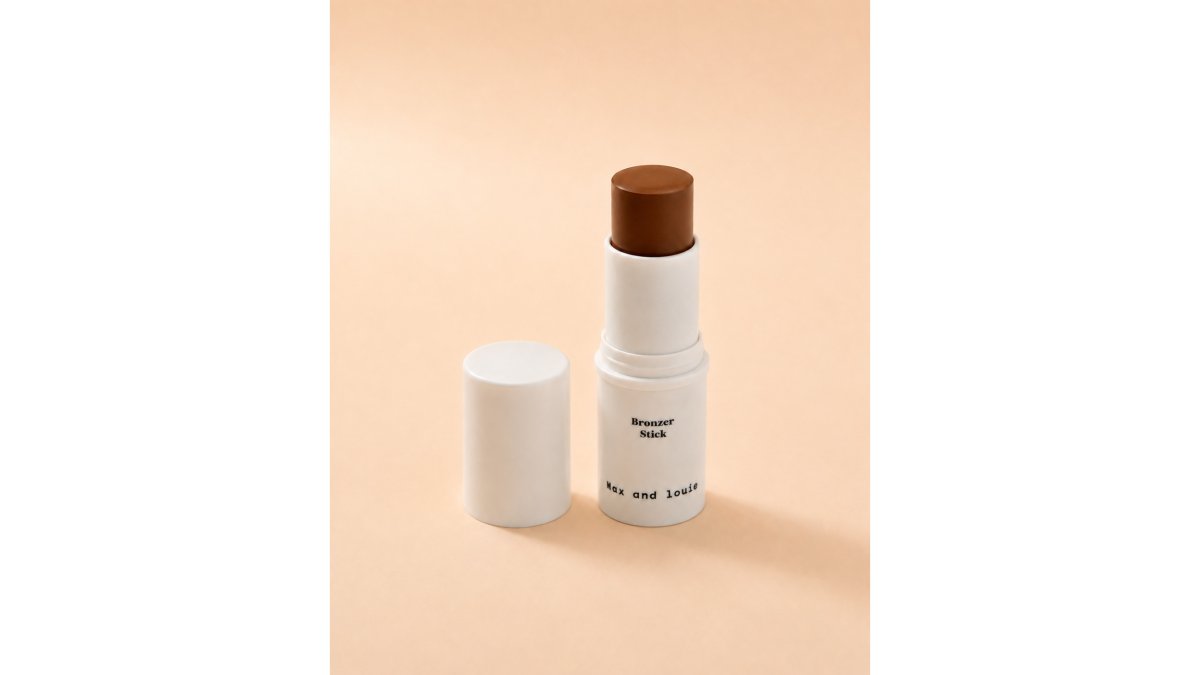
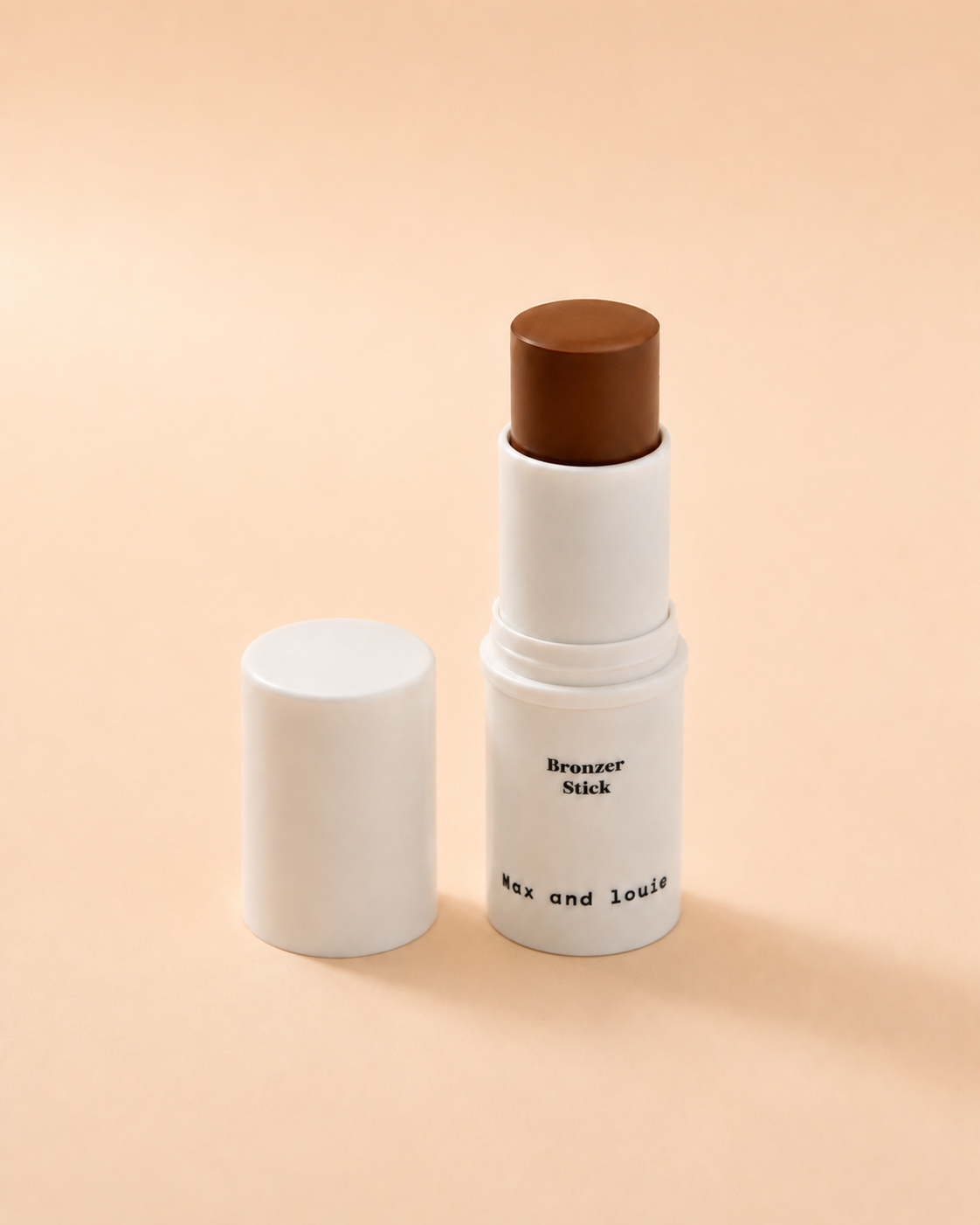
A cream bronzer stick adds warmth and dimension to the face without the powder fallout that comes with traditional bronzers.
Powder bronzers can settle into fine lines and emphasise texture on some skin. A cream stick tends to sit closer to the skin, which can look more natural on mature complexions.
The stick works well for contouring the cheekbones, forehead and jawline, and it can double as a soft eyeshadow.
Cream vs Powder Bronzer: Which Works Better for You
Cream and powder bronzers do the same job but behave differently on skin. If you travel often, see which cream makeup sticks travel well before you choose. Powder is usually easier to pack for travel and gives a softer, more diffused effect.
For dry or mature skin, cream tends to be the better choice, since powder can cling to dry patches. For oily skin, a powder may last longer through the day.
Watch out: applying cream bronzer over a dry base can leave it looking patchy, so moisturise first and let the layer settle before you add colour.
How to Choose a Bronzer Shade for Your Skin Depth and Undertone
Shade is the decision that matters most. A bronzer that is too dark or too orange will look muddy, while one that is too pale will not add any warmth at all.
A useful rule is to choose a bronzer one or two shades darker than your natural skin tone, with a warm or neutral undertone to avoid greyness. Cool undertones often do well with a slightly rosier bronze, while warm undertones suit more golden shades. Neutral undertones can usually wear either, provided the shade is not too saturated.
Depth and undertone interact, so work through both before you swatch. The examples below show how the same rule plays out across the depth range. For a deeper walkthrough of matching shades to your undertone, read the Makeup Undertone Matching Guide.
- Very fair skin: choose the lightest bronze with a neutral or soft golden undertone. A shade that is too warm or too deep will read as stripes rather than warmth. Avoid anything with visible shimmer, which can emphasise redness.
- Fair to light skin: a soft tan with a neutral-warm undertone adds life without looking obvious. If your skin has pink undertones, a slightly rosier bronze can look more natural than a yellow-based one.
- Medium skin: most golden and warm-neutral bronzes work well. This is the depth where an orange cast is most common, so swatch on the jaw and check in daylight before committing.
- Tan to deep skin: choose a bronze that is two steps deeper than your jaw colour with a rich, warm undertone. Very ashy or grey-based shades can look dusty on deeper skin, so favour shades with visible red or golden warmth.
- Deep skin: look for deep bronzes and warm browns rather than traditional tan shades, which can look chalky. A shade with a satin finish often reads more skin-like than a flat matte.
Max and Louie offers a personal shade match service from founder Nat. You can upload a selfie through the contact form and get guidance on the right shade for your complexion.
A Step-by-Step Shade-Matching Method
- Look at your jawline in natural daylight and note your depth against your neck.
- Check your undertone by looking at the veins on your wrist (blue suggests cool, green suggests warm, a mix suggests neutral).
- Choose a shade one step deeper than your jaw colour.
- Swatch two shades on the side of your jaw and blend them out.
- Pick the one that disappears into the skin without a grey or orange cast.
- Re-check the winning shade in indirect daylight before you buy, since indoor lighting can make a warm bronze look cooler than it is.
How to Test a Stick Shade Before You Buy
If you are shopping online, a selfie-based shade match is the most reliable way to avoid a mismatch.
The article lays out how to match depth to shade, so this table lists the guidance for each skin depth.
| Skin depth | Shade to choose | What to avoid |
|---|---|---|
| Very fair | Lightest bronze, neutral or soft golden | Too warm or deep; visible shimmer |
| Fair to light | Soft tan, neutral-warm undertone | Obvious, heavy colour |
| Medium | Golden and warm-neutral bronzes | Orange cast; check in daylight |
| Tan to deep | Two steps deeper than jaw, warm undertone | Ashy or grey-based shades |
| Deep | Deep bronzes and warm browns, satin finish | Chalky tan shades; flat matte |
Picking the Right Formula for Mature Skin and Your Finish
For mature skin, look for a creamy, hydrating formula that feels comfortable and does not pull into lines. Our guide to makeup that looks like skin explains how to keep the finish natural rather than heavy.
Finish is the next decision, and it should follow your skin type and the climate you live in rather than the look you like on someone else.
- Dewy or satin finishes suit dry and mature skin, and they tend to look more skin-like in cool or dry conditions. They can, however, slide on oily skin in heat and humidity.
- Matte and soft-matte finishes last longer on oily and combination skin, and they hold up better in humid summers, but they can cling to dry patches if the skin underneath is not moisturised.
- Satin sits between the two and is the most forgiving choice if your skin is combination or changes with the seasons.
A common pattern is to choose a satin stick for everyday wear and keep a matte option for long days or humid weather.
How to Apply Your Cream Bronzer Stick Without Patchiness
Start with a lightly moisturised face and wait a minute for your base to set. For a step-by-step method for applying creamy makeup smoothly, see how to apply cream makeup.
Build colour in thin layers. It is far easier to add more than to remove an overdone patch. If you find the edges look harsh, dab a clean fingertip over them to soften the line.
Booking Your Shade Match and Choosing Your Bronzer
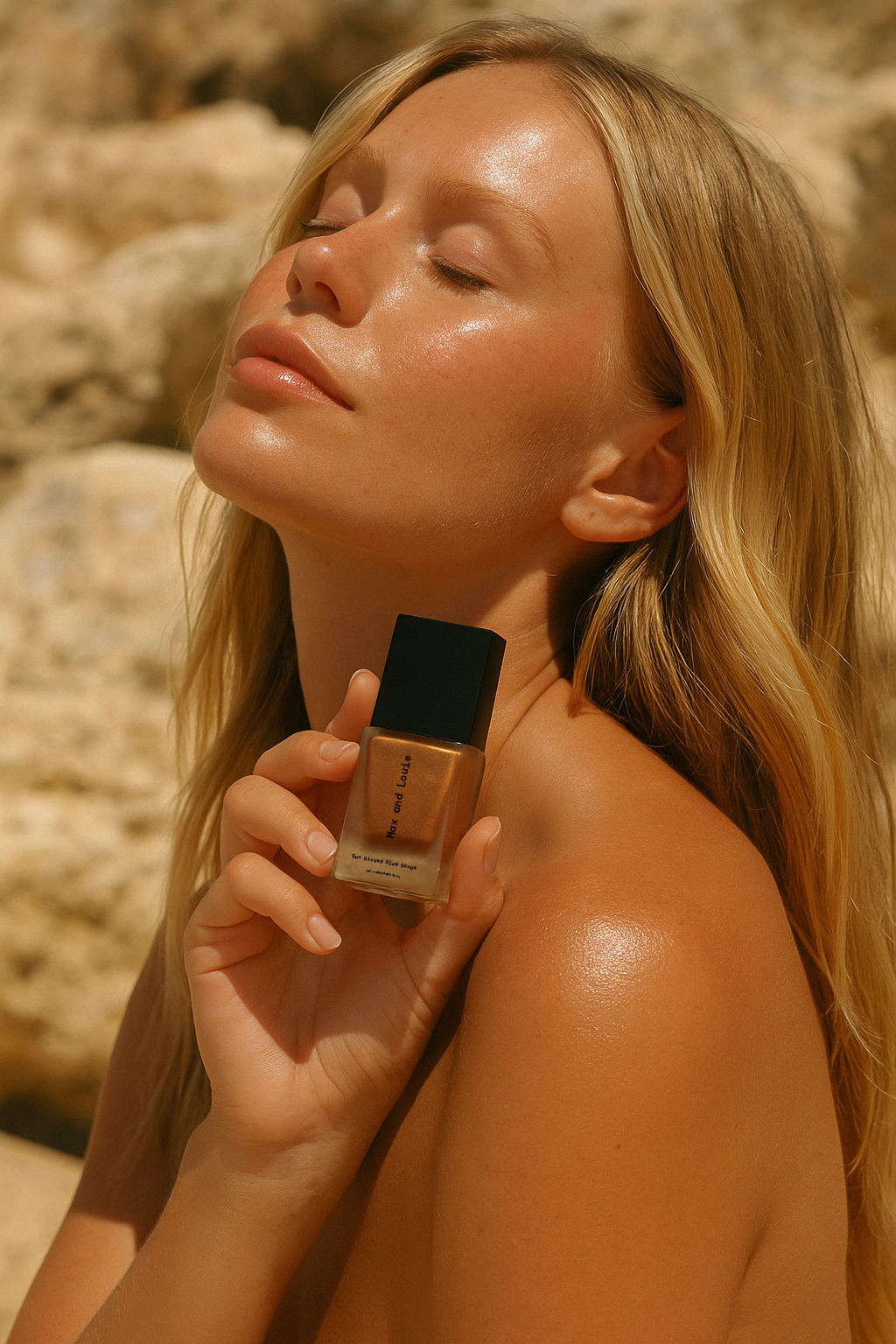
If you are ready to choose, start with your depth and undertone, then decide on finish and formula. If you want help with the shade, send us a selfie and our founder will guide you to a match. You can then shop the Bronzer Stick at NZ$39.00, or pair it with the Sun Kissed Glow Drops at NZ$20.00 for a warm, all-over glow.
Frequently Asked Questions
How do I choose the right shade of cream bronzer?
Start by matching depth first, then undertone. Swatch two or three shades along your jawline in daylight, not on your hand. The right bronzer should look like warmth that could be your own skin after a few days outdoors, one or two shades deeper than your foundation rather than a separate colour. If you are unsure, Max and Louie offers a personal shade match: upload a selfie through the contact form and the team will help you find your match before you buy.
How do I find my undertone for bronzer?
Look at the veins on your inner wrist in natural light. Blue or purple veins usually indicate a cool undertone, green suggests warm, and a mix of both points to neutral. Jewellery can help too: silver tends to suit cool undertones and gold suits warm ones. Undertone matters for bronzer because a shade with the wrong warmth can look grey or orange on the face, even when the depth is right.
Is cream or powder bronzer better for mature skin?
For most mature skin, a cream bronzer stick is the better choice. A creamy stick also lets you control how much colour you place, building it slowly.
Can you use a cream bronzer stick on mature skin without it settling into lines?
Yes, provided you apply a thin layer after moisturiser and any hydrating base has set. Use fingertips or a blending brush to press the colour in and then blend outward and upward towards the hairline. Avoid piling product on the same spot, and dab away any excess with a tissue.
