

Best Cream Bronzer Stick for Fair Skin Tested
Quick Summary
The best cream bronzer stick for fair skin is a light bronze shade just a touch warmer than your natural colour, in a cream formula you can build slowly. Test the shade along your jawline in daylight, since a shade that is too dark is the most common mistake on fair skin.
- Choose a light bronze rather than a deep brown to avoid a dirty-looking result.
- Check your veins: blue or purple suggests cool, green suggests warm, and a mix suggests neutral.
- Apply a little, blend upward toward the hairline, and check the result in natural light.
- Cream sits into the skin for a warmer finish and gives more control than powder.
- The Bronzer Stick is priced at $39.00 NZD and is a good starting product.
Table of Contents
- Why Fair Skin Needs a Different Cream Bronzer Stick
- How to Choose the Best Bronzer Shade for Fair Skin
- Cream Bronzer Stick vs Powder Bronzer for Fair Skin
- How to Apply Cream Bronzer Stick on Fair Skin
- Booking Your Shade Match and Choosing Your First Bronzer
- Frequently Asked Questions
Why Fair Skin Needs a Different Cream Bronzer Stick
Last Updated: November 21, 2026
Finding the best cream bronzer stick for fair skin is harder than it looks. Most bronzers are formulated for medium and deeper complexions, so on very fair skin they can read orange, muddy or patchy within a few hours. The fix is usually a shade and finish chosen specifically for light skin.
Max and Louie makes a creamy vegan Bronzer Stick at $39.00 NZD that adds natural warmth. Because it blends with your fingertips, it is easier to build gradually than a powder, which matters when your margin for error is small.
Fair skin tends to show colour more readily than deeper skin, so a little product goes a long way. Start with one light swipe along the cheekbones, check the result in natural light, and add more only where you want it.
How to Choose the Best Bronzer Shade for Fair Skin
The right shade for fair skin sits close to your natural colour, just a touch warmer. Our cream bronzer stick guide walks through choosing by shade, undertone and finish. A shade that is too dark is the most common mistake, and it is the one that makes a bronzer look dirty rather than sun-kissed.
Look for a light bronze rather than a deep brown. Test the shade along your jawline, not on the back of your hand, because the jaw sits closer to the colour that will show on your face. If it disappears in daylight, it is probably too light. If it leaves a visible line at the edge of your jaw, it is too dark.
A common approach is to choose the shade you would pick for a light flush of sun, then go one step lighter if you are unsure. You can always build more colour, but removing an overly dark bronzer is much harder.
Depth matters more than name. On fair skin, a stick that looks like a soft tan in the tube can still pull deep once blended, so judge the swatch after it has warmed on the skin rather than straight from the bullet.
Matching Cool, Neutral and Warm Undertones
Undertone decides whether a bronzer looks natural or grey. Check your veins in natural light. Blue or purple veins usually mean a cool undertone, green veins suggest a warm undertone, and a mix of both points to neutral.
Cool undertones tend to suit bronzers with less orange in them, since orange can look harsh against pink-toned skin. Warm undertones usually handle golden shades well. Neutral undertones have the most flexibility and can wear either direction.
A useful test is to swatch the stick on the jaw and check it in indirect daylight, not bathroom lighting. If the colour turns peach or rusty within a minute, it is likely too warm for a cool undertone; if it looks grey or ashy, it is probably too cool. The aim is a shade that looks like a slightly deeper version of your own skin rather than a separate colour sitting on top.
Max and Louie offers a personal shade match. You can send a selfie through the contact form for shade guidance. Learn how to check your undertone, depth and lighting in our free shade match guide.
Shade is the detail that most often decides whether a bronzer looks natural, so the key points are summarised below.
| Undertone | Vein colour | Suited bronzer |
|---|---|---|
| Cool | Blue or purple | Less orange |
| Warm | Green | Golden shades |
| Neutral | Mix of both | Either direction |
Cream Bronzer Stick vs Powder Bronzer for Fair Skin
For fair skin, a cream bronzer stick is usually the safer choice. See why cream suits skin better in most cases in our comparison. It melts into the skin rather than sitting on top of it, so the finish looks like warmth rather than pigment.
Cream also gives you more control. You can apply a little, blend, and assess before adding more. A powder bronzer gives you less room to correct once it has gone on.
Powder still has a place. If your skin is very oily, a powder may last longer through the day, and it can be easier to layer over foundation. For most fair skin, though, the cream stick gives a more natural, lightly dewy result.
How to Apply Cream Bronzer Stick on Fair Skin
Apply the bronzer stick to the areas where the sun would naturally hit: the cheekbones, forehead and jawline. Use short, light strokes rather than one heavy line.
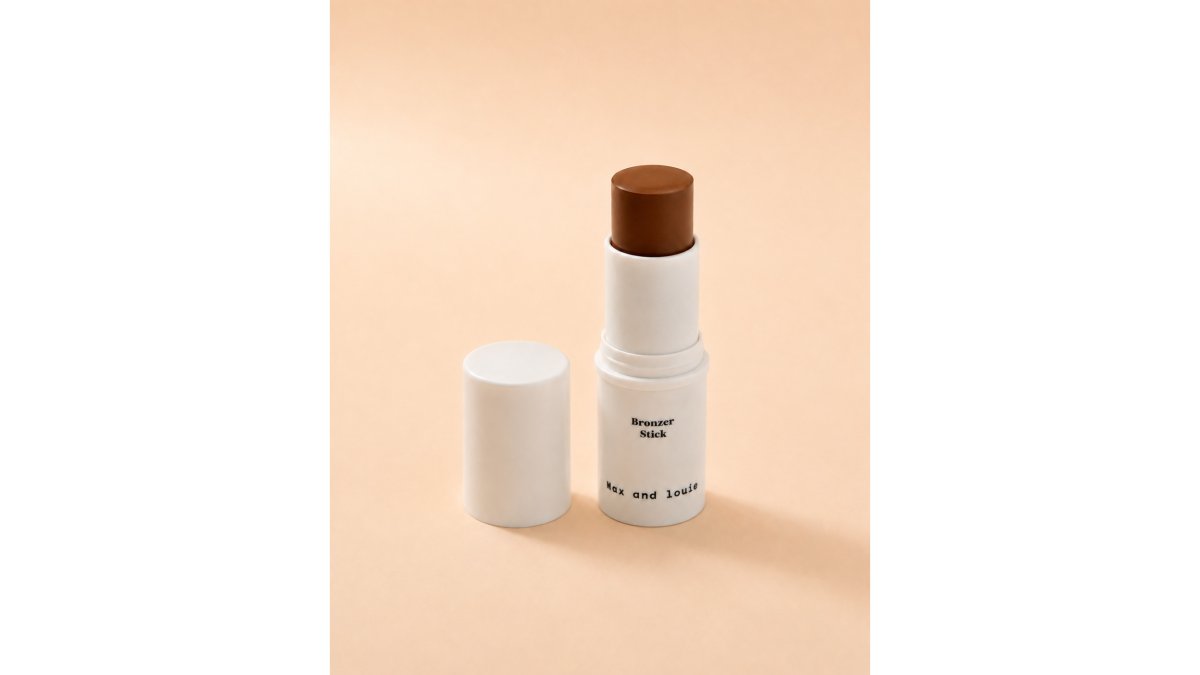
Blend upward and outward towards the hairline using your fingertips or a blending brush. Warming the product on the back of your hand first helps it glide. For the full order of steps, see our dewy makeup routine guide. Keep the colour soft at the edges so there is no visible boundary.
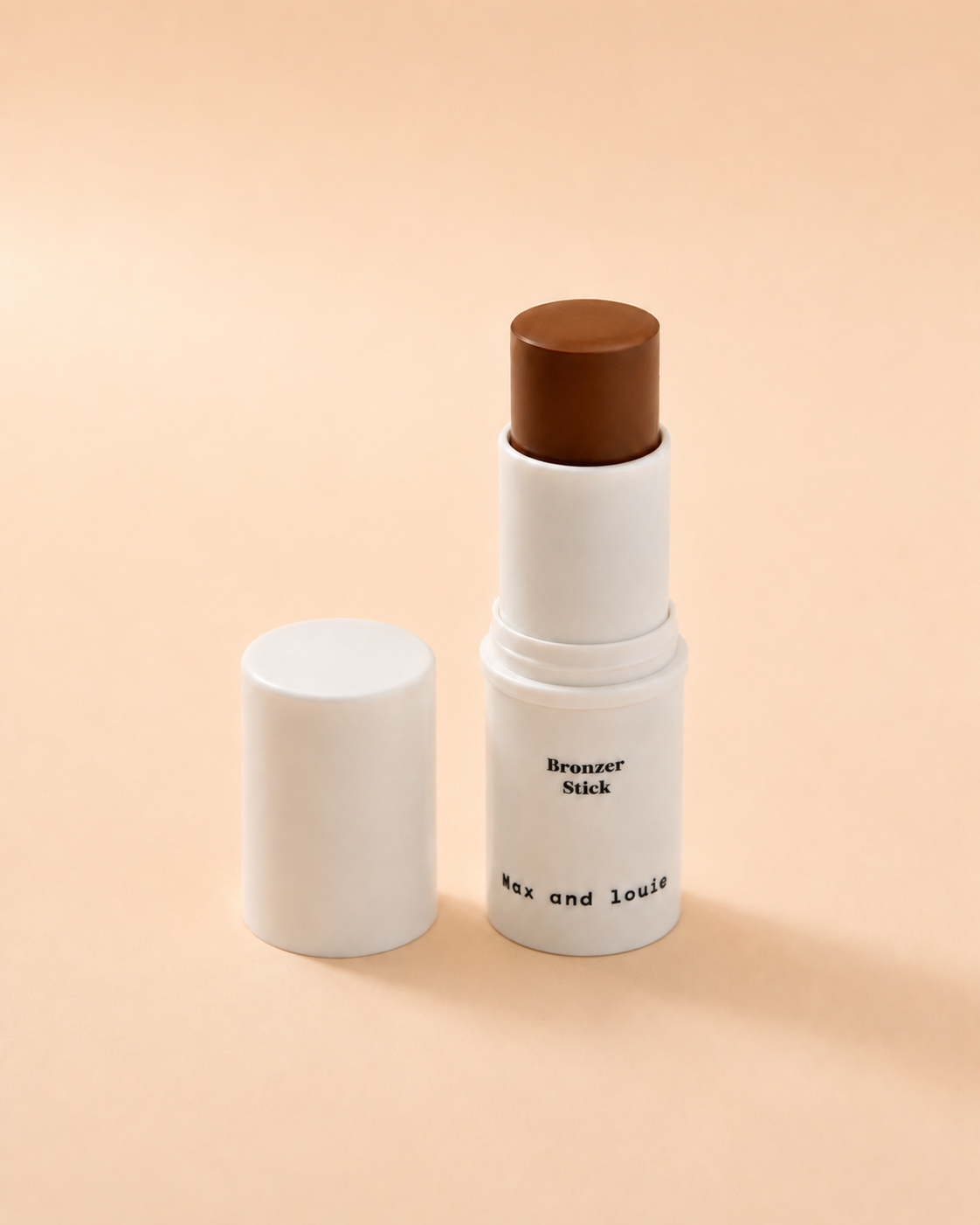
Build gradually. Stop when the colour looks like a healthy flush, then step back and check the result in daylight. A common mistake is applying bronzer under the cheekbones, which can make fair skin look hollow or grey.
Booking Your Shade Match and Choosing Your First Bronzer
If you are new to cream bronzers, start with one versatile product rather than a full set. The Bronzer Stick works on its own, or as part of a larger routine such as The 5-Minute Face, which bundles it with the Blush Stick and Multi-Task Blending Brush for $99.00 NZD.
If you are unsure which shade to choose, upload a selfie on the contact form for shade guidance. Once you have your shade, apply a small amount to your jawline in daylight before committing.
Choosing the best cream bronzer stick for fair skin comes down to three things: a light shade close to your natural colour, a warm but not orange undertone match, and a cream formula you can build slowly. Get those right and bronzer becomes a simple, natural finish rather than a mistake.
Frequently Asked Questions
What is the best cream bronzer stick for fair skin?
For fair skin, look for a soft, warm-neutral shade that adds warmth without orange cast, and a creamy texture that blends into the skin. The Max and Louie Bronzer Stick, priced at $39.00 NZD, is a vegan, cruelty-free option made for mature skin that is designed to blend with fingertips or the Blending Brush for a natural, sun-kissed finish. If you are unsure which shade suits you, you can upload a selfie through the brand's contact form for shade guidance.
How do I choose a bronzer shade for fair skin?
Start with your undertone rather than your surface colour. Fair skin with cool undertones usually suits a softer, cooler-leaning bronze, while neutral and warm undertones handle warmer golden shades more easily. Test a shade along your jawline in natural light before committing, since a shade that looks right on your hand can turn orange on the face. Choosing a shade one step lighter than you think you need helps avoid a muddy or patchy result.
Is cream bronzer better than powder bronzer for dry or mature skin?
For dry or mature skin, a cream bronzer usually sits more comfortably than powder because it blends into the skin. Cream formulas also give a dewy, skin-like finish that suits a softer everyday look. Powder can still work well if you prefer a matte finish, but applying it lightly and with a fluffy brush helps prevent it from emphasising texture. Patch-test any new formula first, particularly if your skin is sensitive.
How do I stop bronzer looking orange on fair skin?
Orange cast usually happens when a bronzer is too warm or too dark for your undertone. Choose a shade with a softer, more neutral or cooler base, and apply only a small amount at a time, building up gradually. Blending the edges well into the hairline and jawline prevents harsh lines. If you have already applied too much, a clean fingertip with a little moisturiser can soften the colour and lift the excess.
