

How to Choose Vegan Makeup for Acne-Prone Skin
Last Updated: November 23, 2026
Quick Summary
To choose vegan makeup for acne-prone skin, verify the vegan claim and then screen the INCI list separately, because vegan formulas can still contain pore-clogging coconut oil, cocoa butter or isopropyl myristate. Pick a lightweight, buildable liquid or serum foundation labelled non-comedogenic, apply it in thin layers, and patch test on the jawline for 48 hours before full use.
- Vegan means no animal-derived ingredients; cruelty-free means the finished product was not tested on animals.
- Ingredients are listed by concentration until the 1% mark, so check the first five for isopropyl myristate.
- The comedogenic scale runs from 0 to 5 and is a rough guide, not a regulated standard.
- Apply a thin layer about the size of a five-cent coin and check at 24 and 48 hours.
- Wash brushes and sponges at least weekly, and replace liquid foundation every six to twelve months.
Table of Contents
- Why Vegan Makeup Can Suit Acne-Prone Skin
- Checking Vegan and Cruelty-Free Claims Before You Buy
- Ingredients to Avoid in Makeup for Acne-Prone Skin
- Choosing a Vegan Foundation for Acne-Prone Skin
- What Non-Comedogenic Vegan Makeup Really Means
- How to Apply Foundation on Acne-Prone Skin
- Patch Testing and Building Your Full Routine
- Finding Your Shade With a Personal Match
- Frequently Asked Questions
Why Vegan Makeup Can Suit Acne-Prone Skin
Vegan makeup is a strong fit for acne-prone skin because plant-based formulas often skip the heavy animal-derived oils and waxes that sit on the surface and trap sebum. That matters if your skin breaks out easily.
The catch: vegan does not automatically mean non-comedogenic. A formula can be entirely plant-based and still contain coconut oil or cocoa butter, both of which can clog pores in acne-prone skin. The ethical label and the skin-friendly label are two different things, and you need to check both.
Below, we'll show you exactly how to choose vegan makeup for acne-prone skin, from reading claims to patch testing safely. The approach we cover moves through verification, ingredient screening, foundation choice, application and a full routine, so you can build something that works for your skin rather than guessing at the counter.
Checking Vegan and Cruelty-Free Claims Before You Buy
The first thing to understand is that vegan and cruelty-free are not the same claim. Vegan means the formula contains no animal-derived ingredients. Cruelty-free means the finished product was not tested on animals. A product can be one without the other, and plenty are.
Watch out: "cruelty-free" on a label tells you nothing about whether the formula contains beeswax, lanolin, carmine or milk proteins. If avoiding animal ingredients matters to you, look for a vegan claim specifically, then check whether the brand publishes a full ingredient list.
For independent verification, the UK Vegan Society's trademark standards explain how a registered vegan trademark is audited, which is a more reliable signal than a word printed on a box. If you want to compare concrete options once you know what to look for, our roundup of the best cruelty free foundations for 2026 covers finishes, coverage and skin types side by side.
Ingredients to Avoid in Makeup for Acne-Prone Skin
Most advice on acne-prone makeup stops at 'avoid pore-clogging ingredients' without explaining why a given ingredient clogs pores or how to spot it on a label. The practical version is to understand the mechanism, then read the ingredient list (the INCI list) in order, because ingredients are listed by concentration until you reach the 1% mark.
Heavy oils and butters. Coconut oil, cocoa butter, wheat germ oil and peach kernel oil are high in saturated fats that sit on the skin surface. For acne-prone skin, the concern is that they form an occlusive layer over the follicle opening, trapping sebum and dead skin cells. That is the mechanism behind 'comedogenic' ratings.
Isopropyl myristate and isopropyl palmitate. These are texture enhancers that make a formula feel silky and spreadable. They rank high on most comedogenic scales because they can penetrate the follicle and promote keratin retention. If you see them in the first five ingredients of a foundation or primer, that is a meaningful signal for breakout-prone skin.
Synthetic fragrance and essential oils. Fragrance is a common cause of contact irritation, and irritation can worsen the appearance of acne even when it does not directly clog pores. Essential oils such as peppermint, eucalyptus and citrus peel oils are natural but can be sensitising, especially on skin already using active treatments. 'Fragrance-free' and 'unscented' are not the same: unscented products may still contain masking fragrance.
Algae extract and seaweed derivatives. These are popular in 'clean' formulas for their humectant properties, but some acne-prone users report congestion. The evidence is anecdotal rather than settled, so the sensible approach is to note it as a possible trigger if you react to a product that otherwise looks suitable.
Talc. Talc is a mineral used for oil absorption and slip. It is not a proven acne trigger, and the reasons some people avoid it relate to contamination concerns rather than comedogenicity. If you are avoiding talc for other reasons, look for setting powders based on silica, rice starch or kaolin instead.
Silicones. Dimethicone and cyclopentasiloxane are often blamed for breakouts, but the evidence is mixed. They are large molecules that mostly sit on the surface and are generally considered non-comedogenic at cosmetic concentrations. If you find silicone-heavy primers pill or feel suffocating, choose a water-based primer instead, but do not assume silicones are the cause without testing.
A common mistake is assuming 'natural' means safe for congested skin. Many plant oils are lovely on dry skin and problematic on oily, breakout-prone skin. The Cosmetic Ingredient Review assessments are a useful reference for how individual ingredients are assessed for safety, though they do not rate comedogenicity specifically.
Watch out: a product can be vegan and still contain coconut oil, cocoa butter or isopropyl myristate. The vegan claim tells you nothing about comedogenicity, so screen the INCI list separately.
Choosing a Vegan Foundation for Acne-Prone Skin
The best vegan foundation for acne-prone skin is a lightweight, buildable formula that lets your skin breathe and does not settle into texture. Look for a liquid or serum foundation over a heavy cream or stick if you break out easily, and check that the label says non-comedogenic.
Our recommendation here is the Clean Skin Serum Foundation SPF 30+, which is free from sulphates and parabens and suitable for sensitive skin. It gives buildable light-to-medium coverage with a dewy finish, and the serum texture means you can control how much you place. It includes niacinamide, hyaluronic acid and squalane, plus SPF30+ protection.
| Product | Coverage | Finish | Best For |
|---|---|---|---|
| Clean Skin Serum Foundation SPF 30+ | Light to medium, buildable | Dewy, radiant | Daily wear, sensitive or dehydrated skin |
| AirBrush Finish Foundation Stick | Medium to full | Satin, airbrushed | Long days, occasions, combination skin |
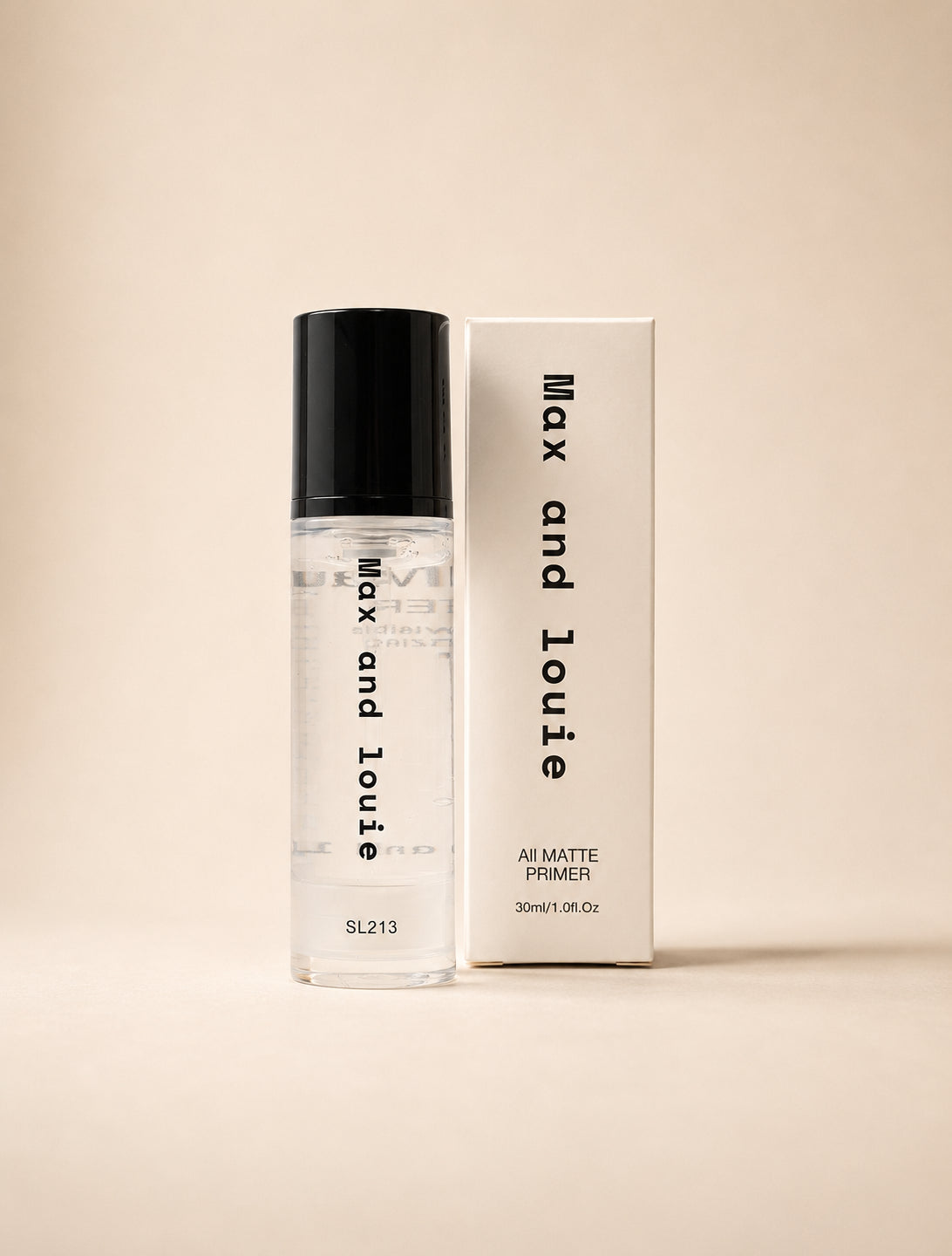
| Prime Perfection Primer | Base layer | Silky satin | Blurring pores and fine lines before foundation |
Best for: everyday coverage that still looks like skin. Skip if: you want full, opaque coverage for an event, in which case the stick format suits better.
What Non-Comedogenic Vegan Makeup Really Means
Non-comedogenic means the product is formulated to reduce the likelihood of clogging pores. It is not a regulated guarantee, and it does not mean a product is hypoallergenic or that it will never cause a breakout. It is a formulation intention, not a promise.
That distinction matters because acne has many triggers: hormones, stress, diet, medication and your skincare routine all play a part. A foundation that suits one person will not suit everyone, no matter what the label says. If your breakouts are persistent or painful, that is a conversation for a doctor or dermatologist, not a makeup counter.
In practice, the most useful thing you can do is treat "non-comedogenic" as one filter among several. Pair it with a short ingredient check and a patch test, and you will make better decisions than someone chasing the label alone.
How to Apply Foundation on Acne-Prone Skin
Application matters as much as formula. The goal is thin, even layers that let skin show through, not a mask that hides everything.
- Start with clean hands and clean brushes. Bacteria on tools is an underrated cause of repeated breakouts in the same spots.
- Prime sparingly. A thin layer of Prime Perfection blurs pores and fine lines without adding weight. Let it settle before foundation.
- Apply foundation in sheer layers. Dot a small amount on the centre of the face and blend outward with fingertips or a damp sponge. Build only where you need it.
- Skip powder where skin is dry or textured. Powder can emphasise flakiness and settle into lines. Save it for the oily zones only.
- Remove thoroughly at night. A double cleanse gets makeup off without scrubbing, which matters for blemish-prone skin.
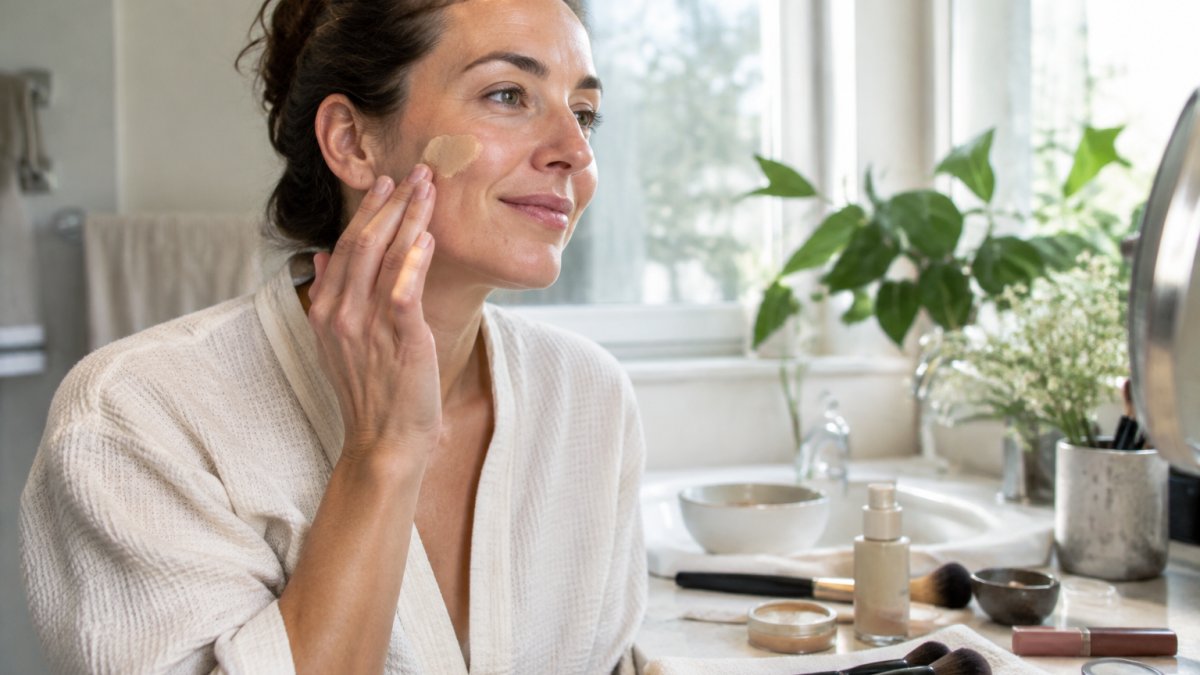
If blending is not your strong point, our guide to the best tools for applying cream makeup covers brushes, sponges and fingers, and how to stop product pilling.
Patch Testing and Building Your Full Routine
Patch testing is the step almost everyone skips, and it is the one that saves you from a week of regret. The aim is to expose a small area of skin to the product before you commit your whole face, so a reaction is contained and easy to identify.
Where to test. The jawline and the side of the neck are the most useful sites for facial makeup because the skin is similar to your face but visible enough to monitor. The inner forearm is a common alternative, but it is less predictive for facial acne because the skin is thinner and less sebaceous.
How much and how long. Apply a thin layer, roughly the size of a five-cent coin, and leave it uncovered. Check at 24 hours and again at 48 hours. Most irritation reactions appear within 48 hours, though some contact allergies can take longer.
Introduce one product at a time. Adding a foundation, a primer and a new cleanser in the same week tells you nothing about which one caused a reaction. Give each new product a week of regular use before adding the next. Keep a simple note of the date you started and any changes you notice, because acne reactions can be delayed by several days.
Know when to stop. If a product causes a burning or stinging sensation on application, remove it immediately and do not reapply. If you develop a rash, hives or swelling, stop using it and speak to a pharmacist or doctor. If your breakouts are persistent, painful or leaving marks, that is a conversation for a doctor or dermatologist, not a makeup counter.
Hygiene and application practices. Contaminated tools are an underrated cause of repeated breakouts in the same spots. Wash brushes and sponges at least weekly with a gentle soap, and more often if you use them daily on active areas. Replace mascara every three months and liquid foundation every six to twelve months, or sooner if the texture or smell changes.
Build the full routine, not just foundation. Competitors tend to stop at foundation and powder, but a complete routine matters for acne-prone skin. A concealer for spot coverage should be non-comedogenic and applied with a clean brush or fingertip. A cream blush is generally lighter than a powder blush on dry or textured skin, while a powder blush suits oily zones.
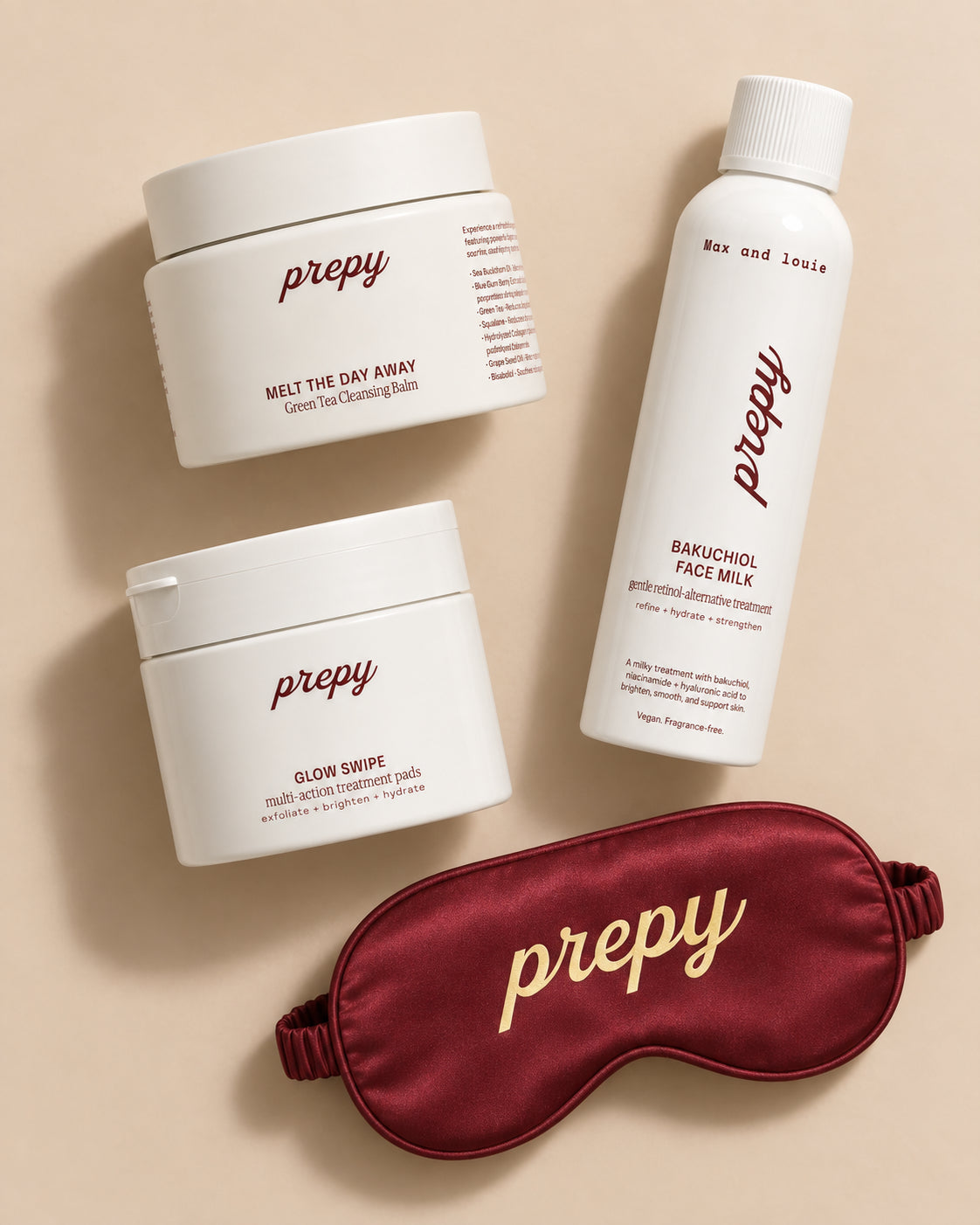
For the skincare side, an oil-balancing routine supports everything you put on top. The Clear Skin Starter bundles a green tea cleansing balm, glow swipe pads, a bakuchiol face milk and a silk sleeping mask, described as a lighter, oil-balancing routine.
Watch out: 'non-comedogenic' is a formulation intention, not a regulated guarantee, and reactions vary between people. Patch testing is the only reliable way to know how your skin responds to a specific product.
Finding Your Shade With a Personal Match
Buying foundation online is where most people get stuck, and understandably so. Undertone and depth are hard to judge from a screen, and a shade that looks right in one light can look wrong in another.
Our founder Nat offers a personal shade match service to help you find the right shade for your complexion. If you would rather work it out yourself first, our guide to finding your foundation shade online walks through undertone, depth and lighting.
Choosing makeup for acne-prone skin is not about finding one miracle product. It is about stacking small, sensible decisions: verifying the vegan claim, screening out the ingredients that congest you, choosing a lightweight formula, applying it thinly, and testing before you commit.
Max and Louie makes that easier with vegan formulas built for skin that has lived a little, including a serum foundation with SPF30+, a blurring primer designed to sit underneath it, and a personal shade match from Nat so you get the colour right the first time. Get started with Max and Louie and build a routine that feels light, looks polished, and lets your skin breathe.
Frequently Asked Questions
Is vegan makeup better for acne-prone skin?
Vegan makeup is not automatically better for acne-prone skin. A product is vegan when it contains no animal-derived ingredients, but it can still include heavy oils, synthetic fragrance or pore-clogging ingredients that trigger breakouts. What matters is the full formula and whether it is labelled non-comedogenic. Treat the vegan label as an ethical starting point, then check the ingredient list and how your skin responds before committing to a full-size purchase.
How can I tell whether makeup is vegan and cruelty-free?
Vegan and cruelty-free mean different things. Vegan refers to ingredients, so look for a registered vegan trademark or a clear statement on the packaging. Cruelty-free refers to animal testing, so check what a brand means by the claim. If a brand only says cruelty-free, it may still use beeswax, carmine or lanolin, so check both claims separately before you buy.
What ingredients should I avoid in makeup if I have acne-prone skin?
Watch for heavy oils such as coconut oil and wheat germ oil, synthetic fragrance, isopropyl myristate, and high concentrations of algae or carrageenan, which are commonly screened for when choosing a formula for sensitive skin. Alcohol high in an ingredient list can also strip and irritate. Patch test anything new on your jawline for several days. A non-comedogenic liquid or serum foundation, applied thinly, usually causes fewer problems than a rich cream or balm texture.
How do I apply foundation over active breakouts without making them look worse?
Start with a thin, hydrating primer, then apply foundation in sheer layers with clean fingertips or a damp sponge, building only where you need coverage. Avoid buffing over active spots, which lifts flakes and spreads bacteria. Set only the areas that get shiny, and wash brushes weekly. Remove makeup fully at night with a gentle balm cleanser followed by a second cleanse, so nothing is left sitting in pores overnight.
