

What Are the Best Tools for Applying Cream Makeup?
Last Updated: November 4, 2026
Quick Summary
A brush is the best all-round tool for cream makeup, giving you control over placement and quantity while buffing foundation, blush and bronzer into an even finish. Sponges press product in for a softer, diffused look, and fingers warm the product for quick touch-ups and small areas.
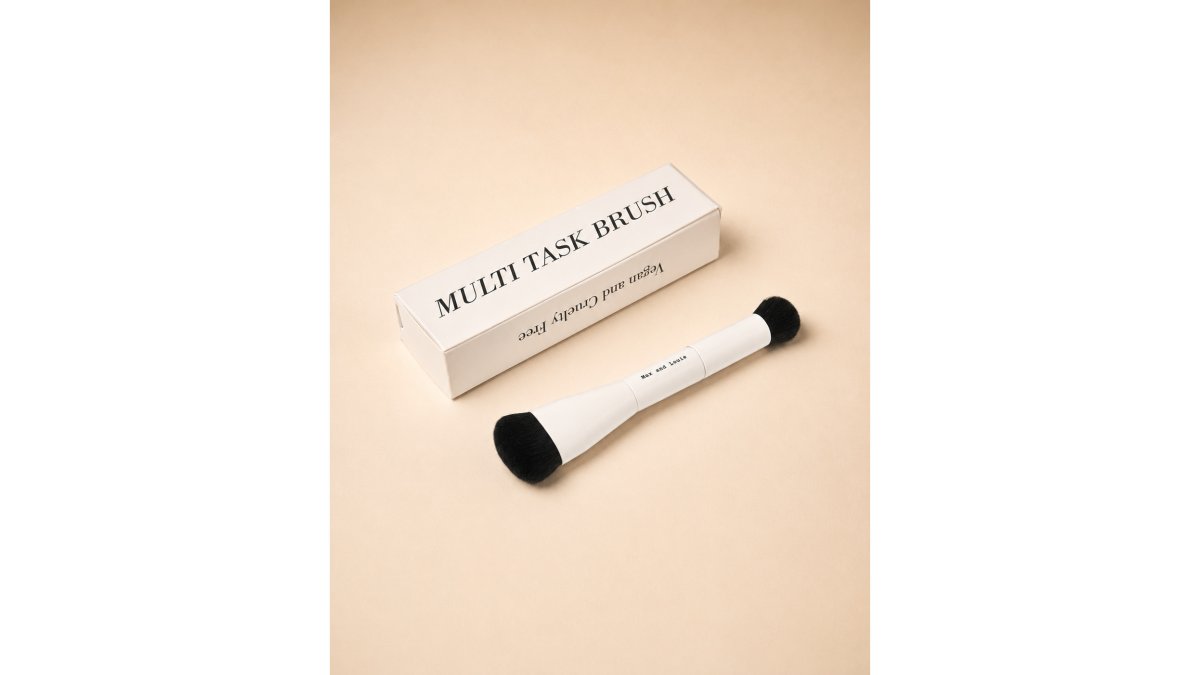
- The Multi Task Blending Brush, NZ$42.00, has a large head for foundation, blush and bronzer and a small head for concealer and highlighter.
- The 10 Pc Brush Set And Case covers face and eye brushes for NZ$89.00 and includes a vegan leather wrap case.
- Use a sponge damp, not wet, and bounce rather than drag to avoid disturbing the layer underneath.
- A sponge sheers out coverage, so build cream foundation in thin layers instead of adding more product at once.
- Patchy, rolling product is usually a layering problem rather than a tool problem.
Table of Contents
- Brush, Sponge or Fingers: Which Tool Suits Cream Makeup?
- The Best Brush for Cream Foundation and Cream Products
- Using a Makeup Sponge for Cream Foundation
- Brush vs Sponge for Foundation: Choosing Your Finish
- Frequently Asked Questions
Brush, Sponge or Fingers: Which Tool Suits Cream Makeup?
Cream makeup rewards the right tool more than any other formula. Cream products stay workable on the skin, so the tool you choose decides whether that workability turns into a smooth, skin-like finish or a patchy mess.
Here is the short answer. Cream makeup is any colour product with a cream base: cream foundation, blush sticks, bronzer sticks, concealer and highlighter. Each of the three main tools suits a different job.
- Brushes give you control over placement and quantity. Best for buffing cream foundation, blush and bronzer into an even finish.
- Sponges press product into the skin for a softer, more diffused look. Best for sheer coverage and a blurred finish.
- Fingers warm the product so it melts faster. Best for quick touch-ups and small areas.
If you want one tool that handles most of a cream routine, a brush wins. Browse our full brushes range to see the options.
The Best Brush for Cream Foundation and Cream Products
The best brush for cream foundation has two things: soft synthetic bristles and enough density to buff without dragging.
Our pick is the Multi Task Blending Brush, NZ$42.00. The dual-ended design does the work of two tools. The large head buffs foundation, cream blush and bronzer. The small head handles concealer, cream highlighter and detail around the nose and eyes. Apply product to skin or brush, then buff in circular motions.

If you would rather have a full kit than a single tool, the 10 Pc Brush Set And Case covers face and eye brushes for NZ$89.00 and comes with a vegan leather wrap case.

Using a Makeup Sponge for Cream Foundation
A makeup sponge for cream foundation gives a softer, more diffused finish than a brush. The trade-off is coverage. A damp sponge presses product into the skin and sheers it out, so you get a blurred, natural look rather than full coverage.
Three things make a sponge work:
- Use it damp, not wet. Squeeze it out fully first.
- Bounce, do not drag. Pressing moves product without disturbing the layer underneath.
- Tap, don't swipe, around the eyes. The skin there is thinnest and creases fastest.
A common mistake is applying cream foundation with a sponge and then wondering where the coverage went. Build in thin layers instead of adding more product at once.
Brush vs Sponge for Foundation: Choosing Your Finish
Brush versus sponge for foundation comes down to the finish you want. A brush buffs product across the surface for even coverage and a polished result. A sponge presses it in for a softer, more diffused blur.
| Tool | Finish | Coverage | Best For | Watch Out For |
|---|---|---|---|---|
| Brush | Polished, even | Sheer to full, buildable | Cream foundation, blush, bronzer, concealer | Too much pressure causes creasing |
| Sponge | Soft, diffused | Sheer to medium | Quick everyday bases, blurred looks | Absorbs product if used dry |
| Fingers | Melted, skin-like | Sheer | Touch-ups, small areas | Uneven placement on larger areas |
Whichever you pick, the finish depends on the formula underneath. Our foundation range is built to sit alongside our cream blushes and bronzers.
One more thing worth knowing: patchy, rolling product is usually a layering problem, not a tool problem. If you are seeing little rolls of makeup, read why makeup pills and how to keep it smooth before you blame your brush.
Choosing tools for cream makeup is really about matching the tool to the finish you want, not chasing the most expensive option on the shelf. At Max and Louie, our vegan formulas are made for skin that has lived a little, and the Multi-Task Blending Brush is designed to work with cream products. Its dual ends cover both base and detail work, and it is made with soft vegan bristles.
Frequently Asked Questions
Is a brush or sponge better for applying cream foundation?
It depends on the finish you want. A brush gives more coverage and a buffed, polished look, and it wastes less product because the bristles do not soak up cream the way a sponge does. A damp sponge presses product into the skin for a sheerer, softer result and is gentler over texture and fine lines. Many people keep both: brush for the base, sponge for pressing out any edges.
How do you stop cream makeup from pilling?
Pilling usually comes from too many layers sitting on top of each other before they have set. Apply skincare first and give it a minute to absorb, then use thin layers of cream makeup rather than one thick one. Buff with light pressure instead of dragging, and avoid mixing a silicone-heavy primer with a water-based cream. If you do see pilling, lift it with a damp sponge rather than adding more product on top.
How often should you clean makeup brushes and sponges used with cream makeup?
Cream formulas sit in bristles and sponge pores more than powders do, so they need washing more often. Clean a sponge after every two or three uses and brushes at least once a week with a gentle brush cleanser. Rinse thoroughly, reshape the bristles and lay brushes flat to dry, avoiding soaking the handles. Clean tools blend better and are far less likely to cause breakouts.
